India landed on the moon for $75 million. NASA spent $4 billion for the same thing.
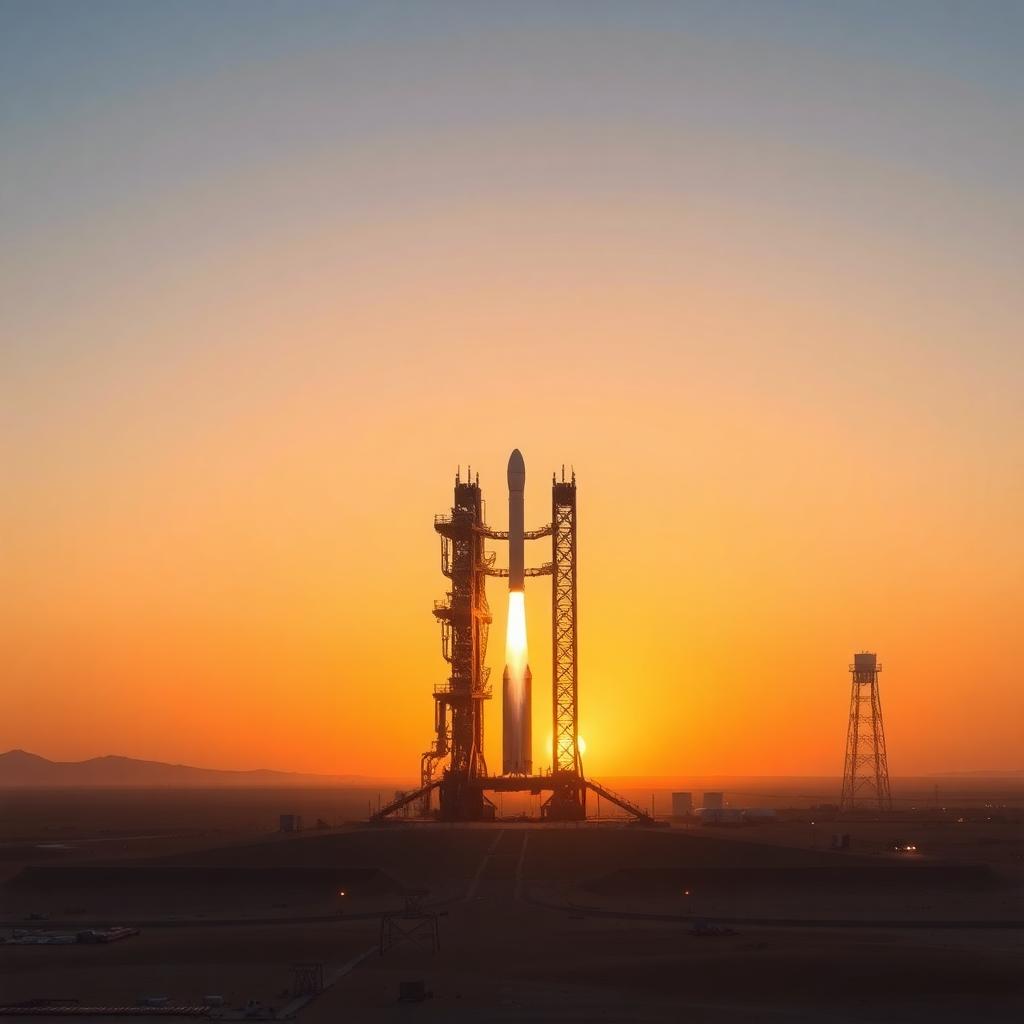
When India announced Chandrayaan-3, most people laughed. "India can't handle traffic. They want the moon?" I was skeptical too. Space is supposed to be a rich country's game. America, Russia, China. Not India.
Then Chandrayaan-3 landed near the moon's south pole in August 2023. Total mission cost: $75 million. Less than the production budget of a Hollywood movie. NASA's equivalent missions cost $1B to $4B.
Look at the broader picture. ISRO now launches satellites for over 60 countries, generating around $100 million annually in commercial revenue. Their PSLV rocket has a 95% success rate. SpaceX charges $67 million for a Falcon 9 launch. ISRO does similar payloads under $20 million. That's not a small gap. That's a different economic model.
The real story is underneath. India has 600+ private space startups now. Skyroot launched the country's first private rocket. Agnikul built a 3D-printed rocket engine. Pixxel is putting up the world's first hyperspectral satellite constellation. Cumulative private space funding crossed $1 billion in 2024.
The country that runs the world's cheapest IT services is now building the world's cheapest space industry. Same playbook. Different industry. Western companies will learn this the hard way.
Space is becoming India's next outsourcing story. Built at a fraction of the cost everyone else assumes is required.