Named, first-person analysis. Views are the author's own, clearly separated from our reporting.
The money kept flooding in.
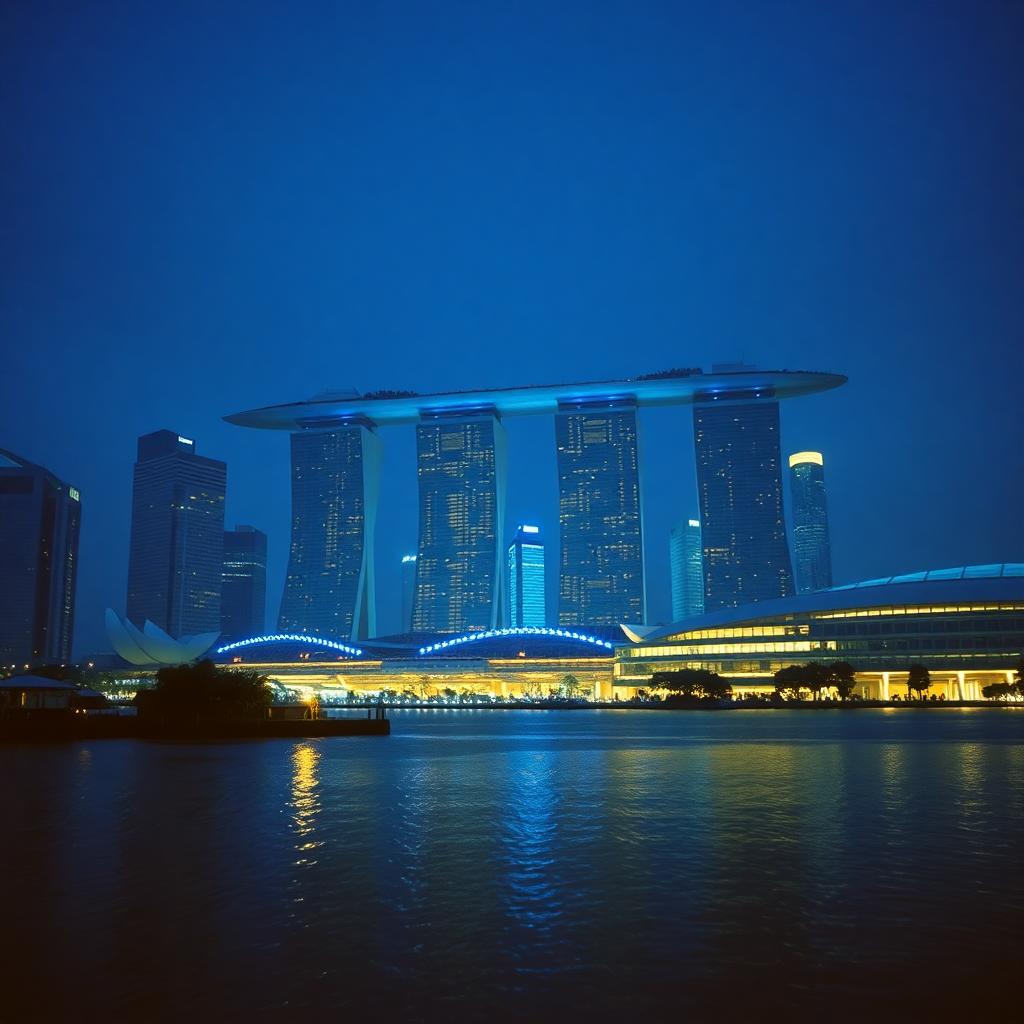
Singapore is not blocking immigration.
Hong Kong won on size.
The country that courts the wealthy has quietly added a filter that keeps only the real ones.
We assume money moves through banks.
This month it got real.
That sounds backwards.
For two years, everyone chased the next AI startup.
AI and AI-adjacent companies make up roughly 92% of this year's IPO pipeline by value.
Everyone watches GPUs.
A single funding round brought in $65 billion, valuing the company at $965 billion.
Michael Burry told his subscribers in May that "the market has jumped the shark," then took a leveraged short on chips through early 2027.
"How big is your team?" Investors used to ask it first.
For the third year running, Julius Baer ranks it the most expensive city in the world for the wealthy.
Last year, every major company declared an AI transformation.
These were the companies that defined a generation of startups.
I thought the automation panic was overblown.
Most people see a space company going public.
For years, the skeptics had a clean argument: AI burns cash, it doesn't make it.
Most people explain it with one word: taxes.
Everyone assumed this was a one-horse race.
Most people still ask whether AI is a bubble.
For two decades, "China plus one" was about hedging political risk.
When COVID-19 hit, the world expected Pfizer and Moderna to save it.
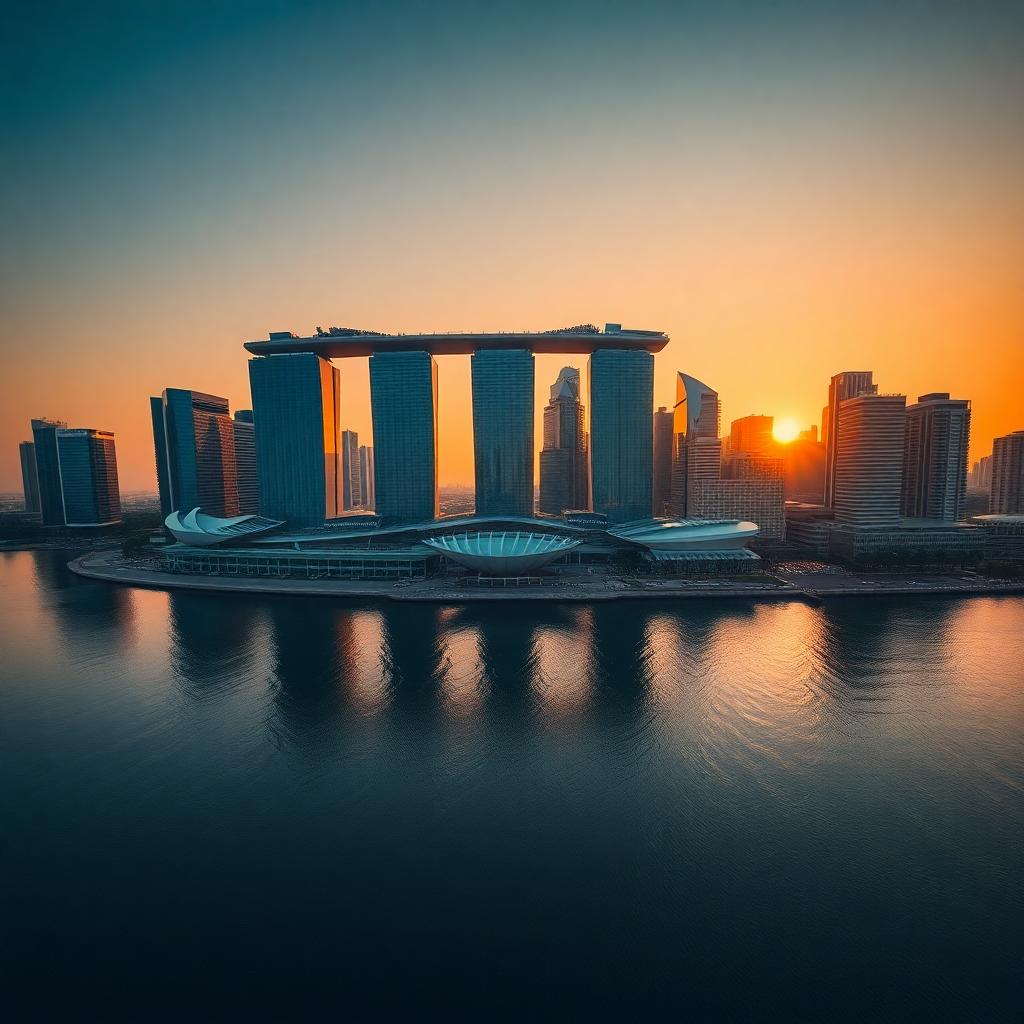
A country smaller than New York City controls roughly 35% of Southeast Asia's data center IT load — about 1,400 megawatts.
Every other major EV market depends on incentives.
Every major AI company is taking notice.
In 1988, Japan controlled 50% of the global semiconductor market.
When Russia invaded Ukraine in 2022, European countries panicked.
When people talk about Indian tech, they mean TCS, Infosys, Wipro.