Singapore's cost of living isn't a business expense. It's an entry fee.
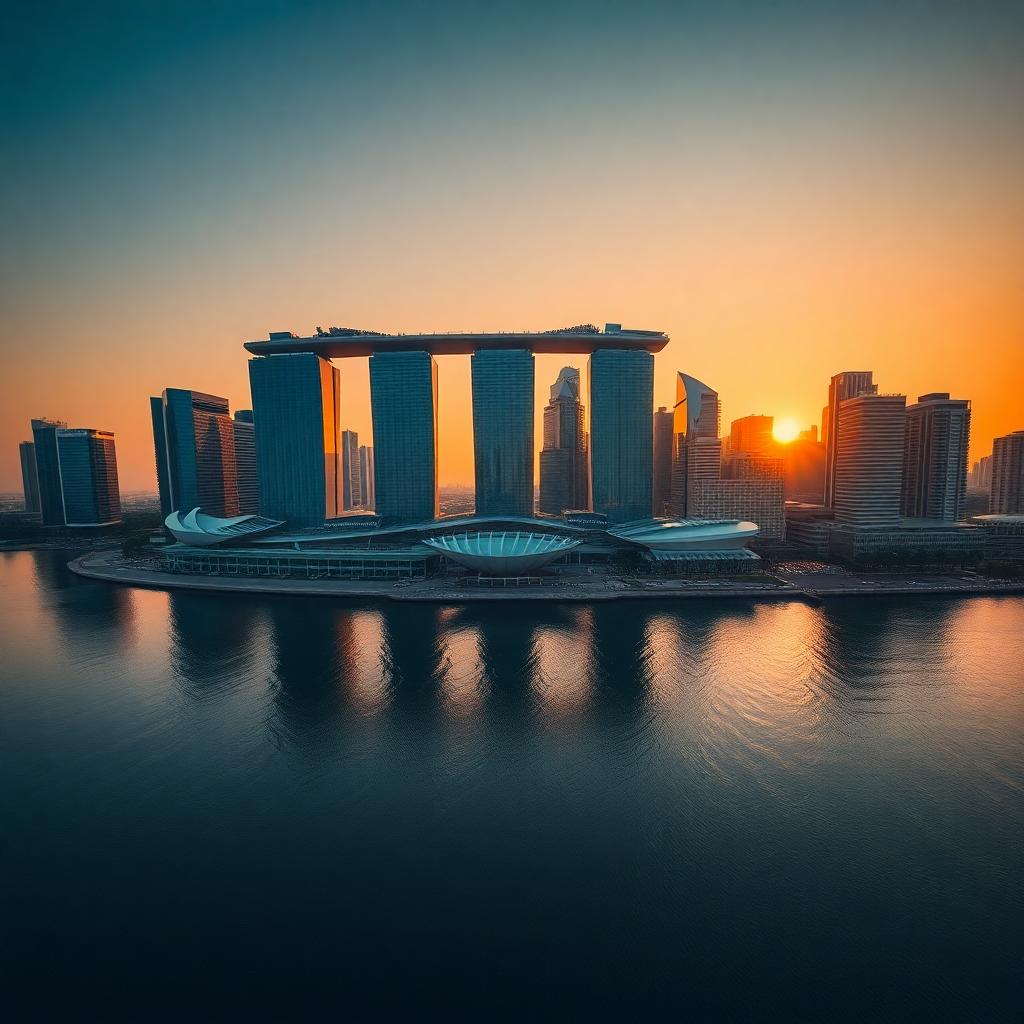
For the third year running, Julius Baer ranks it the most expensive city in the world for the wealthy. London second. Hong Kong third. Same result, year after year. But this year's report carried a first.
For the first time since the index launched in 2020, the global cost of living well fell — down 2% in dollar terms. Luxury goods usually climb faster than inflation. That trend just cracked. A signal the global economy is cooling. Singapore isn't immune.
And yet capital keeps choosing it. Single family offices here grew from around 400 to over 2,000 in five years. Some leave because it's expensive. Far more arrive because it's expensive and predictable. When you're managing serious wealth, you pay for certainty over savings. The second group is winning.
That's the part outsiders miss. The cost is real. But the system that cost pays for — rule of law, stability, a government that does what it says — actually works.
Expensive cities are common. Expensive cities where business actually works are not.
Anyone building here already knows. Singapore isn't a cost. It's infrastructure.